Payment Tech Advances Fuel Loyalty Growth and Prize Pool Access in Mobile Entertainment
Elena Powell · Aug 10, 2026
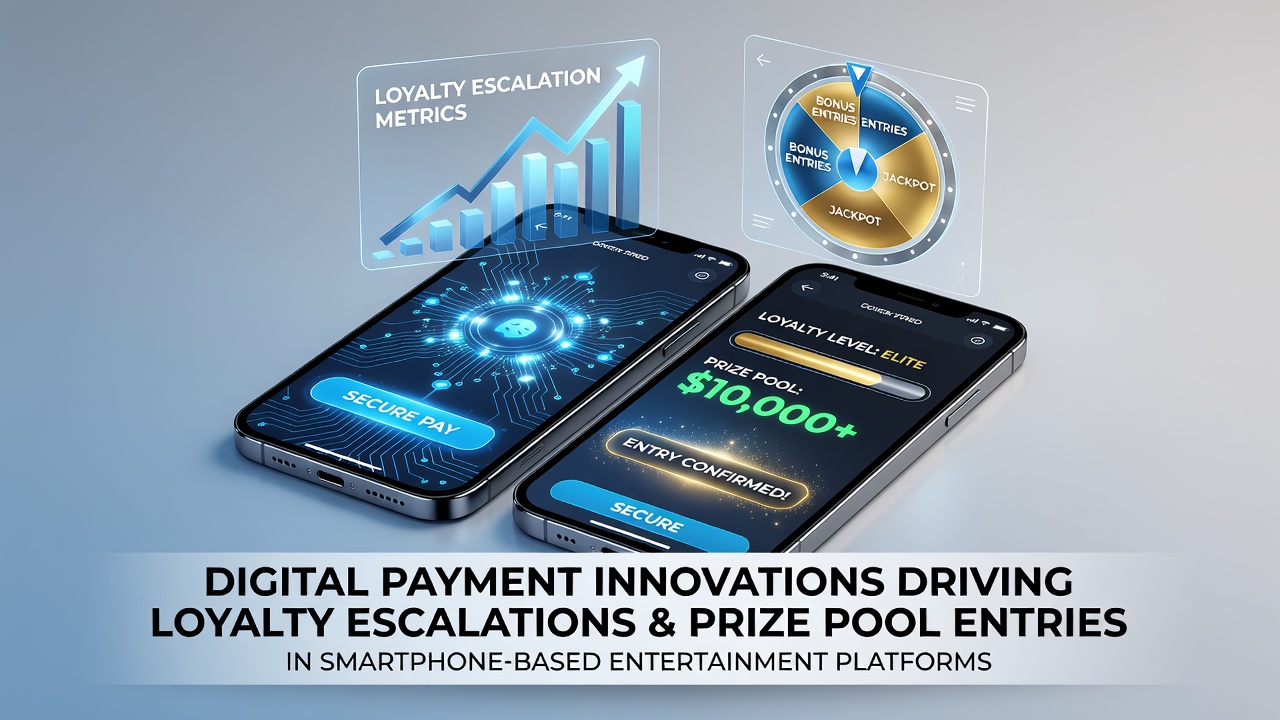
Payment Tech Advances Fuel Loyalty Growth and Prize Pool Access in Mobile Entertainment
Smartphone platforms have integrated faster transaction systems that let users move funds into entertainment accounts with reduced delays, and this shift has coincided with expanded loyalty structures across multiple regions. Data from industry reports shows that digital wallet adoption rose sharply between 2023 and 2025, while prize pool participation metrics increased in parallel during the same period. Observers note that these payment layers reduce friction at the deposit stage, allowing more frequent entries into tiered reward systems and larger collective prize pools.
Transaction Speed and Loyalty Tier Progression
Instant settlement options now appear in many mobile entertainment applications, and users reach higher loyalty tiers after fewer sessions because points accrue immediately upon completed transactions. Research from the European Gaming and Betting Association indicates that platforms offering same-minute confirmation see retention rates climb by measurable margins compared with slower legacy methods. Those who track user behavior across devices report that seamless wallet links encourage repeated small deposits, which in turn accumulate into the volume thresholds required for VIP escalations.
Payment innovations also support multi-currency handling without manual conversion steps, and this feature benefits users who switch between regional prize pools. August 2026 brought updated API standards in several markets that further shortened authorization times, and analysts at the University of Nevada Gaming Research Center documented corresponding rises in loyalty point velocity during that month. The combination of biometric authentication and tokenized accounts has cut verification pauses, letting participants move directly into bonus-eligible activities.
Prize Pool Mechanics and Entry Volume
Digital payment rails feed directly into automated prize pool algorithms, and each confirmed deposit triggers an entry ticket or multiplier in many smartphone-based systems. Figures from the Canadian Gaming Association reveal that platforms with integrated instant transfer saw average pool sizes expand by double-digit percentages year over year through mid-2026. Because funds clear without batch processing delays, operators can release progressive contributions in real time, and this transparency draws additional entries from users monitoring live totals.

Cross-border payment solutions have opened prize pools to wider geographic participation, while compliance layers built into the same systems maintain regulatory boundaries. One study released by the Asia-Pacific Gaming and Leisure Association tracked entry spikes after new regional wallet partnerships launched in early 2026. Participants gain access to shared jackpots or leaderboard contests once their payment history meets minimum thresholds, and the data trail created by these transactions also feeds loyalty algorithms that unlock personalized multipliers.
Security Features Supporting Sustained Engagement
Tokenization and device-bound authentication now sit beneath most loyalty and prize systems, and these layers reduce account lockouts that previously interrupted point accumulation. Reports compiled by the International Centre for Gaming Regulation note that platforms adopting advanced encryption paired with payment rails experienced fewer session drops during high-volume prize events. Users maintain continuous streaks toward loyalty milestones because transaction records update without manual intervention, and the same infrastructure supports instant withdrawal options that reinforce trust in the overall cycle.
Real-time fraud detection tied to payment flows flags unusual patterns before they affect prize eligibility, and this proactive approach keeps legitimate accounts active within escalating reward structures. Data released in August 2026 by the same research centre showed that integrated security reduced dispute rates, allowing operators to allocate more resources toward pool growth rather than reconciliation tasks. Observers have recorded that users who link multiple verified payment methods accumulate loyalty credits across different entertainment verticals without separate verification loops.
Regional Variations in Payment-Driven Growth
Markets in North America and parts of Asia have rolled out central bank digital currency pilots that integrate with existing mobile entertainment wallets, and early results show accelerated loyalty tier movement for participants using these channels. The Australian Communications and Media Authority published compliance data indicating that streamlined payment options correlate with higher prize pool contribution rates in licensed platforms. European operators, operating under different licensing frameworks, have adopted open banking directives that permit direct account-to-platform transfers, and loyalty program data from those regions reflects parallel increases in entry frequency.
Each region maintains distinct responsible gaming overlays within the same payment architecture, and these controls adjust deposit limits without blocking loyalty point tracking. The net effect has been expanded prize pool sizes that draw from broader user bases while remaining segmented by jurisdiction.
Conclusion
Digital payment innovations continue to reshape how loyalty programs scale and how prize pools receive fresh entries on smartphone platforms. Transaction speed, security integration, and regional regulatory alignment together create measurable lifts in participation metrics. As standards evolve beyond August 2026, the same infrastructure will likely support additional layers of automated reward distribution tied directly to payment activity.